Tiny Tail Trust - Vet - Recommended Care

Frequently Asked Questions

Kennel Cough (Infectious Tracheobronchitis)

A contagious respiratory illness, similar to a human cold

Dry, hacking, or honking cough

Often picked up from shelters, parks, or groomers

May come with sneezing and mild fever

Throat Irritants or Allergies

Smoke, dust, strong perfumes, or cleaning products

Pollen or food allergies can trigger coughing

Often seasonal or environment-based

Heart Disease

Enlarged heart presses on the airways or causes fluid buildup in the lungs

Symptoms: Coughing at night, fatigue, heavy breathing, or fainting

More common in senior dogs or breeds like Dobermans and Cavalier

Collapsed Trachea

Common in small breeds (e.g., Pomeranians, Chihuahuas)

“Goose honk” cough, worsens with excitement or pressure on the neck

May require lifelong management

Lung Infections (Pneumonia, Distemper, etc.)

Wet, phlegmy cough

Accompanied by fever, nasal discharge, or difficulty breathing

Needs immediate vet attention

Foreign Object in Throat

Sudden cough, choking, pawing at mouth

Could be food, grass, bone splinter, etc.

Emergency if choking or cannot breathe

Parasitic Infections

Roundworms or lungworms can irritate the airways

Especially in puppies or strays with poor deworming history

When Should You See a Vet?

Go to the vet if:

The cough lasts more than 2–3 days

Your dog shows lethargy, loss of appetite, or fever

The cough is wet, painful, or sounds like choking

Your dog is a puppy, senior, or has a preexisting condition

What You Can Do at Home (Temporarily)

Use a harness, not a collar (especially for small breeds)

Keep your dog away from smoke or strong scents

Avoid contact with other dogs if infection is suspected

Never give human cough syrup without veterinary advice

You can monitor at home if your dog:

Vomits once but is otherwise alert and active

Ate too fast or exercised right after eating

Has minor dietary indiscretion (e.g. garbage or grass)

Returns to normal eating and drinking within a few hours

Try withholding food for 6–8 hours, then give a bland meal (like plain rice and boiled chicken in small portions).

When to Worry – Call Your Vet If:

Vomiting multiple times in 24 hours

Vomit contains blood or looks like coffee grounds

Your dog is lethargic, shivering, or has pale gums

There’s diarrhea, dehydration, or loss of appetite

Abdomen looks swollen or painful

Your dog is a puppy, senior, or has a pre-existing illness

Possible Serious Causes

Parvovirus (especially in unvaccinated puppies)

Toxins or human medications

Pancreatitis

Worm infestation or intestinal blockage

Heatstroke, kidney/liver issues, or foreign body ingestion

What NOT to Do

Don’t give human antacids or painkillers

Don’t ignore repeated vomiting in puppies or elderly dogs

Don’t delay vet care if you’re unsure — early treatment saves lives

Common (Usually Harmless) Causes

Dust, pollen, or strong smells

Just like us, dogs sneeze due to environmental irritants like cleaning products, perfume, or smoke.

Excitement or play

Some dogs sneeze when excited or playing — it’s harmless and behavioral.

Dry air or seasonal changes

Changes in humidity or pollen levels can trigger seasonal sneezing.

Mild allergies

Can be caused by food, grass, fabrics, or grooming products.

When to Be Concerned

Frequent sneezing that doesn’t stop

Nasal discharge (especially yellow, green, or bloody)

Swollen face or nose

Sneezing with coughing, lethargy, or appetite loss

Reverse sneezing (sudden snorting) that is intense or long-lasting

Possible Medical Cause

Foreign object in nose (like a grass seed or fur)

Infection – bacterial, viral, or fungal

Tooth infection – can affect nasal passages

Nasal mites – more common in dogs that sniff outdoors often

Tumors or growths – in older dogs with chronic nasal issues

What You Can Do

Check both nostrils for visible blockages (don’t insert anything)

Keep the dog’s environment clean and free from dust or smoke

Track frequency – how many times a day is it happening?

If concerned, record a video of the sneezing for your vet

See a Vet If:

Sneezing is constant, painful, or bloody

Your dog seems unwell or stops eating

There’s a foul smell from the nose or mouth

It lasts more than 2–3 days without improvement

1. Dietary Indiscretion (“Garbage Gut”)

Eating spoiled food, garbage, or street scraps

Sudden change in diet

Eating non-food items (plastic, fabric, bones)

2. Worms and Parasite

Roundworms, hookworms, giardia, or coccidia

Common in rescued or un-dewormed dogs

May cause watery or bloody diarrhea

3. Infections

Parvovirus (especially in unvaccinated puppies)

Bacterial infections (e.g., Salmonella)

Fungal or viral infections

4. Food Allergies or Sensitivities

Reactions to certain proteins, dairy, gluten, or additives

Often accompanied by skin issues or vomiting

5. Stress or Anxiety

Travel, relocation, or changes in environment

New fosters or adopted dogs often experience this temporarily

6. Toxins or Poisoning

Human meds, plants, chemicals, chocolate, etc.

May also show vomiting, drooling, or seizures

7. Chronic Conditions

Inflammatory Bowel Disease (IBD)

Liver, kidney, or pancreatic disease

Tumors or systemic illnesses

When to See a Vet Immediately

Diarrhea lasts more than 24 hours

Blood or mucus in stool

Lethargy, vomiting, fever, or loss of appetite

Puppy, senior, or underweight/weak dog

Signs of dehydration (dry gums, sunken eyes, skin tenting)

What You Can Do at Home (If Mild)

Withhold food for 6–12 hours (not water)

Then offer bland food: boiled rice + plain chicken

Give small meals every few hours

Keep your dog hydrated – consider electrolyte solutions like ORS

Important: If diarrhea doesn’t improve within 12–24 hours, or worsens, consult a vet.

Common Causes of Sudden Lethargy in Dogs

1. Fever or Infection

Viral (e.g. distemper, parvovirus) or bacterial infections

Often with vomiting, diarrhea, nasal discharge, or shivering

2. Pain or Injury

Muscle strain, fracture, or trauma

May limp, avoid walking, or react when touched

3. Poisoning or Toxin Exposure

Ingested chocolate, xylitol, rat poison, plants, human meds, etc.

Can cause vomiting, drooling, tremors, or seizures

4. Heatstroke

Especially in summer or poorly ventilated areas

Signs: panting, red gums, vomiting, collapse

Emergency if suspected

5. Worm Infestation or Parasites

Heavy load of roundworms, hookworms, etc.

Common in puppies and strays

Often causes weakness, anemia, or dull coat

6. Internal Illness

Kidney, liver, or heart disease

May develop slowly or suddenly worsen

7. Anemia or Blood Loss

Can be from ticks, internal bleeding, or parasites

Look for pale gums and fast breathing

8. Low Blood Sugar (Hypoglycemia)

Often in small breeds or puppies

Sudden weakness, confusion, or even seizures


When to Call the Vet Immediately

Your dog is unable to stand or walk

Shows vomiting, diarrhea, bleeding, or labored breathing

Has seizures, pale/blue gums, or collapses

Is a puppy, senior, or immunocompromised

What You Can Do

Keep your dog calm and indoors

Offer clean water and note any symptoms

Take note of recent food, activities, or injuries

Visit a veterinary clinic as soon as possible — don’t wait if you’re unsure

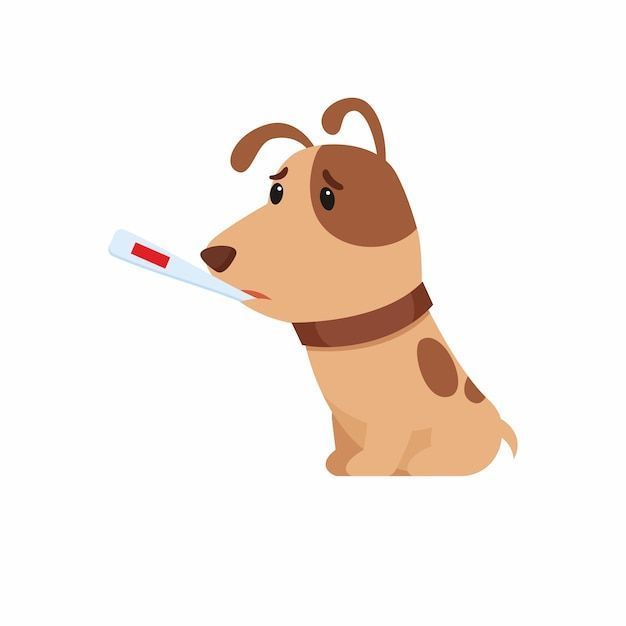
What Is a Normal Dog Temperature?

Normal range: 101°F to 102.5°F (38.3°C to 39.2°C)

Above 103°F (39.4°C): Fever

Below 99°F (37.2°C): Possible hypothermia — a medical emergency

How to Check Temperature – Safely at Home

What You Need:

Digital thermometer (ideally pet-safe or rectal)

Petroleum jelly or water-based lubricant

Calm environment (get help holding the dog if needed)

Steps:

Lubricate the tip of the thermometer.

Gently lift the dog’s tail

Insert the thermometer about 1 inch into the rectum.

Hold it in place for 30–60 seconds or until it beeps.

Remove and clean the thermometer thoroughly.

Reward your dog afterward with treats and praise to make it less stressful.

When to Seek Veterinary Help

Temperature is above 103°F or below 99°F

Your dog is showing other signs: vomiting, shivering, confusion, heavy panting, or collapse

You’re unable to check safely, or your dog is in distress

Shivering in dogs isn’t always about being cold — it can also be a sign of pain, illness, anxiety, or even poisoning. It’s important to look at other symptoms and context to know whether to worry.

Common Reasons Dogs Shiver or Tremble

Cold or Chilly Environment

Just like humans, dogs shiver when they’re cold.

Small, short-haired breeds (like Chihuahuas) are more sensitive.
Solution: Provide warmth, blankets, or a dog sweater.

Fear or Anxiety

Common during thunderstorms, fireworks, vet visits, or travel

May also pant, hide, or pace
Comfort your dog in a quiet, safe space.

Pain or Injury

Dogs may shake if they’ve been injured or are in pain (e.g., joint pain, fracture, or internal injury)

Watch for limping, whining, or avoiding movement

Nausea or Upset Stomach

Dogs sometimes shiver before vomiting or when feeling sick

Could be from eating spoiled food, toxins, or digestive issues

Poisoning or Toxins

Ingesting chocolate, xylitol (found in sugar-free gum), insecticide, or human meds can cause tremors

EMERGENCY: Often with vomiting, drooling, seizures, or weakness
🚨 Go to a vet immediately.

Distemper (in Puppies or Unvaccinated Dogs)

Serious viral illness — causes shivering, fever, eye/nose discharge, and seizures
Highly contagious and needs urgent treatment

Low Blood Sugar (Hypoglycemia)

Common in small breeds or young puppies

Can cause trembling, weakness, or collapse

Offer sugar water or honey, and call your vet

Old Age or Neurological Issues

Senior dogs may tremble due to joint pain or nerve problems

May worsen with stress or cold

When to See a Vet

Shivering comes with vomiting, diarrhea, or lethargy

Dog seems weak, confused, or collapses

Trembling doesn’t stop or happens frequently

Your dog is a puppy, senior, or recently rescued stray

Panting is a natural way for dogs to regulate body temperature — especially in warm weather or after exercise. But in some cases, excessive or abnormal panting could signal a medical emergency.

Normal Panting

After play or exercise

In hot or humid weather

During exciting or stressful situations (like car rides or fireworks)

When it stops quickly once the dog rests or calms down

🟢 Your dog is alert, responsive, drinking water, and behaving normally otherwise.

Dangerous or Abnormal Panting

Panting is heavy and continuous, even at rest Especially in a cool environment

Accompanied by other symptoms

Lethargy, vomiting, drooling, pale/blue gums

Collapse, shivering, or confusion

Happens suddenly with no clear reason No recent exercise, heat, or excitement

Medical Conditions That Cause Dangerous Panting

Heatstroke – life-threatening; needs immediate cooling and vet help

Pain or injury – panting is often a sign of distress

Respiratory issues – like pneumonia or airway obstruction

Heart disease – may pant more at night or while lying down

Cushing’s disease – hormonal disorder causing persistent panting

Fever or infection

What to Do

Move your dog to a cool, calm area

Offer fresh water

Check gums and breathing rate

Contact your vet if panting is

Heavy and lasts more than 10–15 minutes

Comes with other illness signs

Happens in a puppy, senior, or chronically ill dog

Ideal Diet Progression

Days 1–3: Recovery Diet

Plain rice + boiled chicken

Curd (probiotic) – small spoonfuls to help gut health

Warm, bland, soft foods

Water and ORS (oral rehydration solution) freely available

🛑 Avoid: Milk, oily food, dog treats, or raw bones

Days 4–10: Add Variety Slowly

Add mashed pumpkin, carrot, boiled egg, or sweet potato

Introduce a little dry kibble or wet food for dogs gradually

Include turmeric broth or bone broth for immunity and gut support

After 10–14 Days (If No Issues)

Transition to a balanced dog food (kibble or wet), suitable for age and breed

Continue adding fresh, cooked food like rice, veggies, curd, or eggs as toppers

Provide a multivitamin (vet-recommended) if the dog was severely malnourished

Foods to Avoid at Any Stage

Milk (causes diarrhea in most Indian dogs)

Spicy, oily human food

Chocolate, onions, garlic, grapes, bones, and sweets

Raw meat (especially in weak or unvaccinated dogs)

General Feeding Guidelines

Puppies (Below 6 Months)

3–4 meals a day

Small, frequent meals help with energy and digestion

Use puppy-specific food with higher protein and calories

Young Dogs (6–12 Months)

2–3 meals a day

Transition to adult food if your vet recommends it

Adult Dogs (1–7 Years)

2 meals a day (morning and evening)

Helps with metabolism and prevents overeating

Active or working dogs may need an extra meal/snack

Senior Dogs (7+ Years)

1–2 meals a day, depending on activity and health

Some seniors benefit from 2 smaller meals for easier digestion

Special Cases

Rescued/Stray Dogs: Start with 3–4 small meals daily, then shift to 2 after 2–3 weeks

Dogs with diabetes, pancreatitis, or on medication may need a custom feeding schedule set by your vet

Pregnant or nursing dogs: Need 3–4 meals daily with added nutrition

Tips for Healthy Feeding

Stick to fixed mealtimes — avoid leaving food out all day

Always provide clean drinking water

Don’t feed just once a day — it increases the risk of bloating and hunger vomiting

Avoid human snacks, sweets, and oily food

Small amounts (a few spoons) may be tolerated by some adult dogs

But in others, especially Indian breeds or rescues, it can cause:

Loose stools

Vomiting

Stomach rumbling

Gas or bloating

Lactose Intolerance in Dogs

Puppies produce more lactase (the enzyme that breaks down lactose)

As dogs grow older, many lose that ability, making milk harder to digest

Symptoms can appear within a few hours of drinking milk

Safe Dairy Alternatives (in moderation)

Plain yogurt (especially curd) – probiotic, easy on the stomach

Paneer (unsalted) – small cubes as treats

Lactose-free milk – safer but still limited

Goat milk – more digestible for sensitive dogs (if available)

Puppy Milk Myth

Cow milk is not suitable for puppies — it lacks the right nutrients

Orphaned puppies should be fed a vet-approved puppy milk replacer, not regular milk

Avoid Giving:

Flavored milk (chocolate/strawberry = toxic)

Condensed milk, tea, or coffee

Milk with sugar or spices (haldi doodh, chai, etc.)

Dogs eat grass for many reasons — it can be due to boredom, an upset stomach, lack of fiber, or simply because they enjoy the taste. It’s usually harmless unless it’s excessive or followed by frequent vomiting.

Puppy Vaccination Schedule (Core Vaccines)

Age

Vaccine

6–8 weeks

1st shot: DHPP (Distemper, Hepatitis, Parvo, Parainfluenza)

9–11 weeks

2nd DHPP + Optional: Corona, Lepto

12–14 weeks

3rd DHPP + Anti-Rabies

16+ weeks

Booster if needed + optional vaccines

 Deworm before every vaccine dose
 Rabies vaccine is legally required in India

Adult Dog Vaccination (After 1 Year)

Annual boosters: DHPP + Rabies

Optional: Lepto, Corona, Kennel Cough (if social/boarding frequently)

Rescued or Unknown Vaccine History Dogs

Start with a vet check and follow a full vaccination schedule like a puppy

Keep detailed records for follow-ups and travel/adoption needs

Puppies

Start at 2 weeks of age

Then every 2 weeks until 12 weeks old

Then monthly until 6 months

Adult Dogs

Every 3 months (once every 90 days)

In high-risk environments (stray intake, fosters, farms), every 6–8 weeks

Pregnant or Lactating Dogs

Deworm during pregnancy (vet-guided)

Deworm again after whelping, and the puppies too

Signs Your Dog Might Have Worms

Visible worms in stool or vomit

Weight loss despite eating

Bloated belly

Dull coat, scooting, or diarrhea


Tips:

Always use vet-prescribed dewormers based on weight

Deworm before vaccination

Deworming is safe and essential, even for healthy dogs

1. Anti-Rabies Vaccine

Legally mandatory in India

Protects dogs and humans from rabies

Given at 12–14 weeks, then boosted annually

2. DHPP (5-in-1 Vaccine)

Protects against:

Distemper

Hepatitis (Adenovirus)

Parvovirus

Parainfluenza

First dose at 6–8 weeks, then 2 more doses every 2–4 weeks

Booster every year after that


Optional (but recommended) Vaccines

3. Leptospirosis

Spread by rat urine and stagnant water — very common in Indian monsoons

Often included with DHPP (making it 6-in-1 or 7-in-1)

4. Coronavirus

Gastrointestinal virus (not COVID-19)

Optional; consult your vet based on area outbreaks

5. Kennel Cough (Bordetella)

Important for dogs in shelters, foster homes, or boarding

For Adult Rescues or Strays with Unknown History:

Start fresh with full core vaccination (DHPP + Rabies)

Deworm before first shot

Keep the dog under observation post-vaccine for 24 hours

Spot-On Treatments (Monthly)

Apply to the back of the neck

Protects for 30 days

Easy, effective, and safe when used as directed


  1. Anti-Tick Collars

Long-term protection (up to 6–8 months)

Useful for outdoor or community dogs

3. Anti-Tick Shampoos (Weekly/Biweekly)

Medicated shampoos

Helps with active infestations

Avoid overuse to prevent skin dryness

4. Tick Sprays & Powders

Great for shelters or heavy infestations

Must be used with care – avoid the face and follow label instructions

5. Oral Chewables (Vet-prescribed)

Works from inside out — lasts from 1 to 3 months

Best for heavily infested or allergic dogs


6 House & Environment Hygiene

Wash dog bedding weekly in hot water

Use anti-tick floor sprays or natural repellents (neem-based)

Clean kennels, corners, and garden regularly

Treat all pets in the household, not just one

You can spay/neuter your dog at around 6–9 months of age, depending on breed, size, and health — but rescued street dogs can be safely sterilized after 4–6 months, once they are healthy and vaccinated.

Yes — spaying or neutering is safe for stray dogs when done by a qualified vet under proper conditions. In fact, it’s one of the most effective and humane ways to improve their health and reduce street dog overpopulation.

After sterilization, keep your dog rested for 7–10 days, prevent licking the stitches, give soft food and prescribed meds, and keep the wound clean and dry. Watch for swelling, discharge, or fever, and avoid baths or rough play until fully healed.

Excessive scratching or licking is usually caused by allergies, parasites (like fleas/ticks), skin infections, or boredom/anxiety — and it’s important to find the cause before it gets worse.

Dog Type

Recommended Frequency

Short-haired breeds

Every 4–6 weeks

Long-haired breeds

Every 3–4 weeks

Dogs with skin issues

As advised by a vet (can be weekly)

Outdoor/street dogs

Every 2–3 weeks (especially in monsoon)

Puppies

After 8 weeks, then once a month with mild shampoo

Hair loss or bald patches in dogs can be caused by allergies, parasites (like mites or fleas), fungal infections (like ringworm), hormonal imbalances, or poor nutrition — and should be examined by a vet if persistent.

Improve the Diet

Feed high-quality dog food rich in omega-3 & omega-6 fatty acids

Add natural sources like:

Fish oil (salmon/sardine oil)

Coconut oil (small daily amounts)

Fresh veggies (carrot, pumpkin)

2. Limit Bathing & Use Gentle Products

Don’t over-bathe — once every 3–4 weeks is enough for most dogs

Use a mild, moisturizing dog shampoo (like oatmeal-based)

Avoid human soaps or shampoos — they dry out the skin

3. Brush Regularly

Brushing stimulates natural oil production and removes dead skin

Use a soft-bristle brush for dry or sensitive skin


4. Check for Parasites or Infections

Fleas, mites, and fungal infections can also cause flakiness

If the skin is red, smelly, scabby, or itchy, consult your vet

5. Hydration

Make sure your dog is drinking enough water

When to See a Vet

If dryness is severe, spreading, or causing hair loss

If your dog is constantly scratching or licking

If you suspect mange, allergies, or infections

Some skin infections in dogs can be contagious to humans, especially fungal infections like ringworm and certain types of mange. Most bacterial infections are not easily spread, but good hygiene is always important.

Infections That Can Be Contagious (Zoonotic)

1. Ringworm (Fungal Infection)

Causes circular bald patches with flaky skin

Highly contagious to humans and other animals

Can survive on bedding, brushes, and clothes

: Wash hands, disinfect surfaces, and treat all pets


2. Sarcoptic Mange (Scabies)

Caused by microscopic mites

Leads to intense itching and crusty skin

Can cause itchy rashes in humans (temporary)

🧺 Bedding and the environment must be cleaned

Infections That Are Usually Not Contagious

1. Bacterial Infections (e.g., Hot Spots)

Often caused by scratching, wounds, or allergies

Not typically passed to humans, but caution is advised

: Always wear gloves if cleaning infected areas

2. Yeast Infections

Affect ears, paws, or skin folds

Caused by internal imbalance — not contagious

How to Protect Yourself

Wash hands after touching the dog or their bedding

Avoid skin-to-skin contact with open sores or lesions

Keep your dog’s vaccinations and deworming up to date

Clean and disinfect grooming tools, bowls, and crates regularly

Children, elderly, or immunocompromised people should be extra careful

Boredom or Lack of Stimulation

Dogs left alone for long periods may chew or dig just to stay busy
: Try puzzle toys, chew bones, or training games

Teething (Puppies)

Puppies chew to relieve gum pain
: Offer frozen carrots, teething toys, or rubber chews

Anxiety or Stress

Destructive chewing or digging can be a sign of separation anxiety
: Create a calm routine and use safe chew items when leaving the house

Lack of Exercise

Dogs with too much energy will often take it out on your furniture or yard
: Add longer walks, fetch, or playtime to their daily routine

Instincts (Especially in Some Breeds)

Breeds like Labradors, Beagles, Huskies, and Indies may dig due to natural hunting or nesting instincts
: Give a safe spot for digging, or redirect to toys or a digging box

Seeking Comfort or Attention

Dogs may chew/dig to get your attention, or when they’re uncomfortable (hot/cold)
: Make sure they have a cozy resting space and don’t reinforce the behavior with attention

What You Can Do

Provide plenty of mental and physical stimulation

Use bitter sprays or deterrents on furniture (safe for dogs)

Never punish — instead, redirect to appropriate toys or activities

Crate train or confine to a safe space when unsupervised

Why is my Dog coughing?

When Should You See a Vet?

Go to the vet if:

The cough lasts more than 2–3 days

Your dog shows lethargy, loss of appetite, or fever

The cough is wet, painful, or sounds like choking

Your dog is a puppy, senior, or has a preexisting condition

What You Can Do at Home (Temporarily)

Use a harness, not a collar (especially for small breeds)

Keep your dog away from smoke or strong scents

Avoid contact with other dogs if infection is suspected

Never give human cough syrup without veterinary advice

Know Who We Are

When Vomiting Is Usually Not Serious

You can monitor at home if your dog:

  • Vomits once but is otherwise alert and active.
  • Ate too fast or exercised right after eating

  • Has minor dietary indiscretion (e.g. garbage or grass)

  • Returns to normal eating and drinking within a few hours

  • Try withholding food for 6–8 hours, then give a bland meal (like plain rice and boiled chicken in small portions).

0

Support Given

0 +

Clients Rating

0 M+

Money Saved

0

Awards won